Small Steps, Sensible Choices, Superior Health.
The Cholesterol Health Myth
Search This Site:
What's the cholesterol health myth?
The lower your cholesterol, the healthier you'll be. FALSE!
In 1997, a cholesterol health study in the European Heart Journal, indicated that low cholesterol was related to numerous health problems.
The list included many types of cancer, a high risk of cardiac death, erectile dysfunction, infertility and loss of memory and mental focus.
There was also a Swedish researcher, Uffe Ravnskov, MD, PhD, who discovered that people with low cholesterol levels suffered from frequent and severe infections.
He also noted that people with high cholesterol had a lower mortality rate than the average population.
Your Numbers and The Cancer Risks
- Lowest Risk greater than 240
- Average Risk 195-210
- Increased Risk Less than 190
- High Risk Less than 160
- Highest Risk less than 140
Protection from Toxins
A University of San Diego School of Medicine study gives further evidence of the benefits of cholesterol to your health.
Higher cholesterol levels can actually protect against environmental toxins, neuro-toxins and cancer. Lower levels showed a risk for heart arrythmias.
Despite years of prescribing statin drugs to lower cholesterol, it has not improved the death rate from heart disease.
What Is Cholesterol?
Cholesterol is made in the liver. It's a fatty, waxy-like substance that is used to produce vitamin D in the body as well as hormones and bile acids. It's a source of energy, it produces cell membranes, it helps our body dispose of toxins and it is essential to life.
It also functions as the body's repair substance when the blood vessels are damaged. It arrives on the scene to coat and protect the area that is damaged or inflamed. Kind of like the spackling compound that covers and repairs damaged walls before painting.
Click here for the benefits of good cholesterol health in the body.
The Good News and The Bad News
The Good Cholesterol, also known as High Density Lipoproteins (or HDL) refers to lipoproteins. They actually pick up the excess fatty substances in the blood stream and redirect it to the liver where it can then be properly disposed of.
Since it is a naturally produced substance in the body, it is required to help the body replace hair, nails and skin, and to build muscle and bone. Cholesterol is also essential for brain function.
The Bad Cholesterol, also known as Low Density Lipoproteins (or LDL) refers to lipoproteins. Instead of directing the excess fatty substances to the liver for disposal, it keeps circulating in the bloodstream where it begins to build up in your blood vessels. In time, this build up can restrict blood flow, turn to plaque inside the arteries, and lead to coronary heart disease.
So we know that extremely high amounts of it in the bloodstream can lead to heart disease. That's why it so important to have a good ratio of good to bad cholesterol.
Hint:
I have a simple trick to help me remember the good and the bad abbreviations.
HDL = Healthy (I think of the the word "healthy" for the "H" in HDL)
LDL = Lousy (I think of the word "lousy" for the "L" in LDL)
Causes of Increased Cholesterol
Though heredity can be a contributing factor, it can also be caused by inflammation of the blood vessels. This inflammation can come from free radicals in the body, an imbalanced diet caused by eating inferior hydrogenated fats and refined carbohydrates.
Other known causes can stem from being overweight and a lack of exercise.
Most people are unaware that increased stress levels release a
hormone called cortisol and raises insulin levels. This creates a
condition in the body that can cause plaque to develop in the arteries. So keep that stress in check.
Despite contrary belief, saturated fat has no impact on LDL levels.
The liver doesn't use any kind of fat to make cholesterol.
It makes VLDL which is then converted into LDL.
VLDL and LDL are totally unrelated.
High-risk categories include people with diabetes, who do not closely monitor their condition, and post-menopausal women.
Cholesterol Health,
How High Is Too High?
Let me preface this by saying, don't stop your medication without talking to your doctor.
While all the TV drug adds have us convinced that we are going to die if our total cholesterol level is over 200, we may not be getting the whole unbiased picture.
Dr. William Campbell Douglass, stated that a recent study, led by Steven Reichman, a professor of health at Texas A&M University, discovered that low levels of cholesterol can actually reduce the beneficial muscle gain from exercising.
The researchers looked at 55 healthy men and women in their 60s.
Dr. Douglass states, "Overall, the study concluded that there was a significant link between dietary cholesterol and the increase in strength:
Those with the higher cholesterol intake had the most muscle strength gain.
What's more, the test subjects who were taking cholesterol-lowering drugs showed lower muscle gain than those who were not."
Dr. Steven Komadina states in his book, Born To Be Healthy And Thin , first we were told that cholesterol was the problem with our health and heart disease. As a result we were told to eat no fat or low fat and to increase our complex carbohydrates and whole grains.
Statistics showed that heart disease increased instead of decreasing. Interestingly, the incidence of depression, obesity and autoimmune diseases also increased. He believes people who do the best, have a total cholesterol health level in the 160-220 range.
I have read that prior to the development of all the cholesterol lowering drugs, doctors were satisfied with a cholesterol reading in the 250-260 range.
Side Effects of Statin Drugs
The prescribing of medications such as Lipitor, Crestor, Zocor, etc, known as statins, are at an all time high. We are not telling you to stop your medication if you are on any of these.
However it is important for anyone who is prescribed these medications to understand there are risks involved with taking them. In my natural health class, Steven Horne, pointed out these staggering side effects.
- liver dysfunction
- muscle pain
- lack of concentration
- memory loss
- amnesia
- insomnia
- weakness and fatigue
- erectile dysfunction
- increased insulin levels and difficulty in managing diabetes
- depleted CoQ10 levels
- lower antioxidant levels
- 14 times the risk of polyneuropathy
- known carcinogen in animal testing
We are simply suggesting that you do your own research and talk to your healthcare professional about your cholesterol health to see what is the best choice for you.
Natural Ways to Manage Cholesterol
Patients who are prescribed statin drugs may not be aware of the natural methods available to them. Simple diet adjustments like adding more high fiber foods or even taking a fiber supplement will help improve your
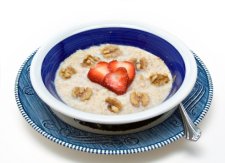
cholesterol health. Cholesterol will attach to fiber and be flushed out of the body. If you don't have enough fiber in your system it can get re-absorbed back into your system.
Even getting the right amount of daily exercise is a great start.
Red Yeast Rice, an all natural supplement, contains lovastatin, which also happens to be a statin that is contained in prescription cholesterol reducing drugs such as Mevacor and Altocor. This is a more natural remedy option you could discuss with your doctor.
Another way to help control your cholesterol is to increase your antioxidants. Fresh colorful fruits and vegetables. If you don't eat enough for good cholesterol health, then consider taking a high quality antioxidant supplement.
While poor diet, lack of exercise, and even heredity factors make it easy to increase your cholesterol health risks, it's entirely possible to correct those conditions with a few healthy lifestyle adjustments.
Other Resources

NEW & VIEWS SIGN UP
Want more healthy tips on:
- food and drinks
- personal care choices
- household choices
Sign up for my Healthy Choices News and Views. Unsubscribe any time.Get a FREE report called, Just Start Here.... as a thank you. Just fill out form below. Not sure, learn more here.
Recent Articles


-
I stopped using them.
I stopped using artificial sweeteners about 1 year and a half ago when I was diagnosed with Parkinson's two years ago. I thought they would make me lose -
Truvia?
What about Truvia? -
Robert Tomlinson
Love sodas. Drank 2 to 5 a day for years. Dr advised to cut down and lose weight. Switched to diet sodas for 5 yrs until last year. Landed in hospital
New! Comments
Let me know what you think! Please leave me a comment in the box below.