Small Steps, Sensible Choices, Superior Health.
Swine Flu Symptoms
Should Be Taken Seriously
Search This Site:
The swine flu symptoms are very much like the regular seasonal flu.
Most people won't know if they really have the swine flu or just the regular seasonal flu.
It actually requires a test by the CDC to confirm the swine flu.
The swine flu is a combination of viruses made up from:
- the swine influenza
- the bird influenza
- human influenza.
H1N1, the human influenza, is the same strain that caused the epidemic in 1918.
It's really quite interesting how these three viruses actually combined to make up the current swine flu. To learn more, click here.

Why Is The Swine Flu So Dangerous?
Dr. Gordon Pedersen is a world renown expert in viruses and bacterial infections. In a May 4, 2009 webinar conference, he talked about what makes this H1N1 virus so dangerous.
He goes on to explain that the virus is made up of incomplete segments of DNA and RNA (genetic material), which enter into a healthy cell, causing genetic mutation and illness at the cellular level.
The reason this is so dangerous is because the influenza virus interferes with and destroys DNA, which causes abnormal growth within the cells.
If the virus is left to replicate long enough it will damage enough cells to cause serious suffering and possibly even death.
Specific Swine Flu Symptoms
These are some of the symptoms of swine flu. As you can see, they are just like any other flu type symptoms.
Since we are all different, we won't all have the same symptoms. However, if you do experience any of the above symptoms, err on the side of caution and treat them like swine flu symptoms and follow the CDC Swine Flu Guidelines
What Should You Do?
- First of all, don't panic, just take control of your health. Some people may consider getting a swine flu shot, others, like myself, will choose to use other methods instead of getting a flu shot.
- If you don't have any symptoms right now, start making healthy choices by enhancing your immune system.
- Get plenty of sunshine, if you're in an area of the country where the sun shines a lot.
- If you spend a lot time indoors or you're in an area that has limited sunshine, consider supplementing with Vitamin D3.
- Start making healthier nutrition choices by eating lots of high antioxidant foods like fruits and vegetables.
- Proper nutrition leads to a strong immune system. Enhance your nutrition with a good multi-vitamin and mineral supplement and herbs like Elderberry or Echinacea
Meet Dr. Gordon Pedersen
Dr. Gordon Pedersen has a Ph.D. from the Toxicology Program at Utah University.
He has a Master's degree in Cardiac Rehabilitation and Wellness.
He serves as the director of the Institute of Alternative Medicine and was nominated to chair the United States Pharmacopoeia Review Board Natural Products Committee.
He is considered an International Authority on bacteria, viruses, fungi, mold and is a renowned global expert in the area of “Super Bugs”.
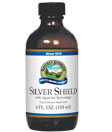
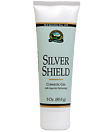
Dr. Pedersen's recommended protocol for preventing and treating the swine flu symptoms is as follows:
- Take two teaspoons of Silver Shield liquid orally twice daily.
- Apply Silver Shield Gel on your hands at least twice a day and more with frequent washings
- Apply Silver Shield Gel inside your nostrils twice a day.
- Eat a healthy diet and add appropriate supplements (B vitamins, trace minerals, probiotics, antioxidants)
- Create a healthy home using good hygiene practices and if possible get a good quality air filter
Silver Shield is sold by Nature's Sunshine. To learn more about Silver Shield, please feel free to Contact Us.
Additional Resources

NEW & VIEWS SIGN UP
Want more healthy tips on:
- food and drinks
- personal care choices
- household choices
Sign up for my Healthy Choices News and Views. Unsubscribe any time.Get a FREE report called, Just Start Here.... as a thank you. Just fill out form below. Not sure, learn more here.
Recent Articles


-
I stopped using them.
I stopped using artificial sweeteners about 1 year and a half ago when I was diagnosed with Parkinson's two years ago. I thought they would make me lose -
Truvia?
What about Truvia? -
Robert Tomlinson
Love sodas. Drank 2 to 5 a day for years. Dr advised to cut down and lose weight. Switched to diet sodas for 5 yrs until last year. Landed in hospital
New! Comments
Let me know what you think! Please leave me a comment in the box below.